Status
In active development
A React Native mobile application for internal Android build distribution, backed by a Django server that manages uploads, release history, and artifact processing.
Buildshare is a tester-facing product with a backend built to keep uploads reliable and release history auditable. The core decision was to optimize for mobile workflows first, then build infrastructure that protects that flow under load.
In active development
Product, backend and mobile implementation
React Native, Django, DRF, Celery, Redis, PostgreSQL, Cloudflare R2
May 2026
Avoids app-server upload bottlenecks
Presigned R2 URLs + server-side verification
DoneFast rollback and traceability
Release metadata + immutable artifact records
DoneUI stays responsive during heavy jobs
Celery workers for parsing, hashing, and indexing
DoneFaster tester feedback loop
Push-trigger release subscription pipeline
In progress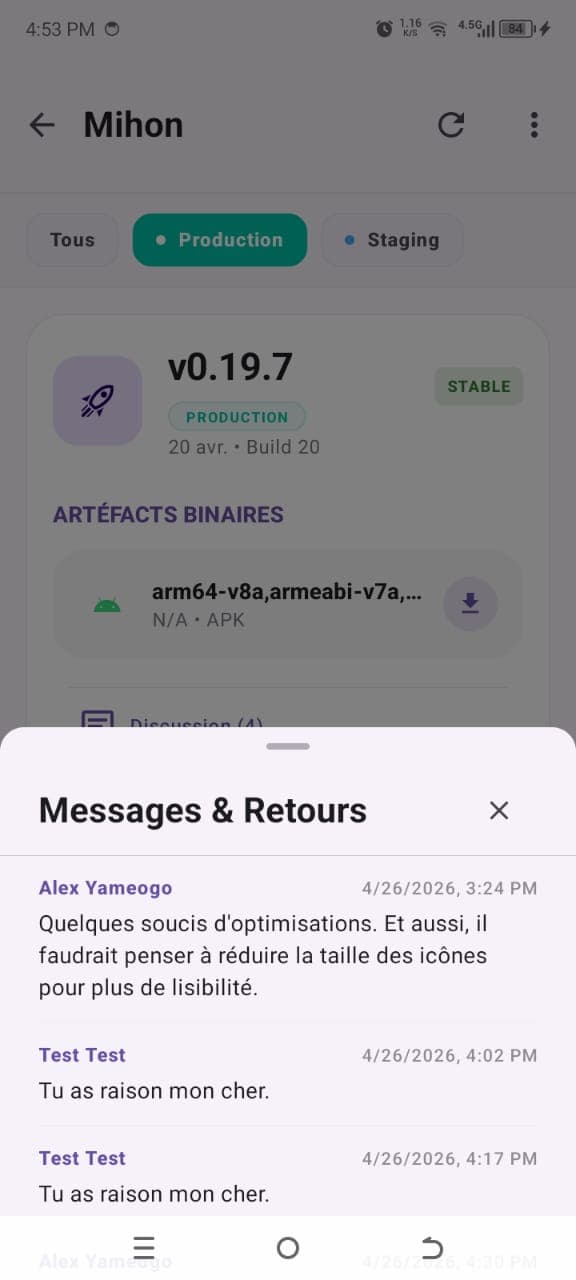
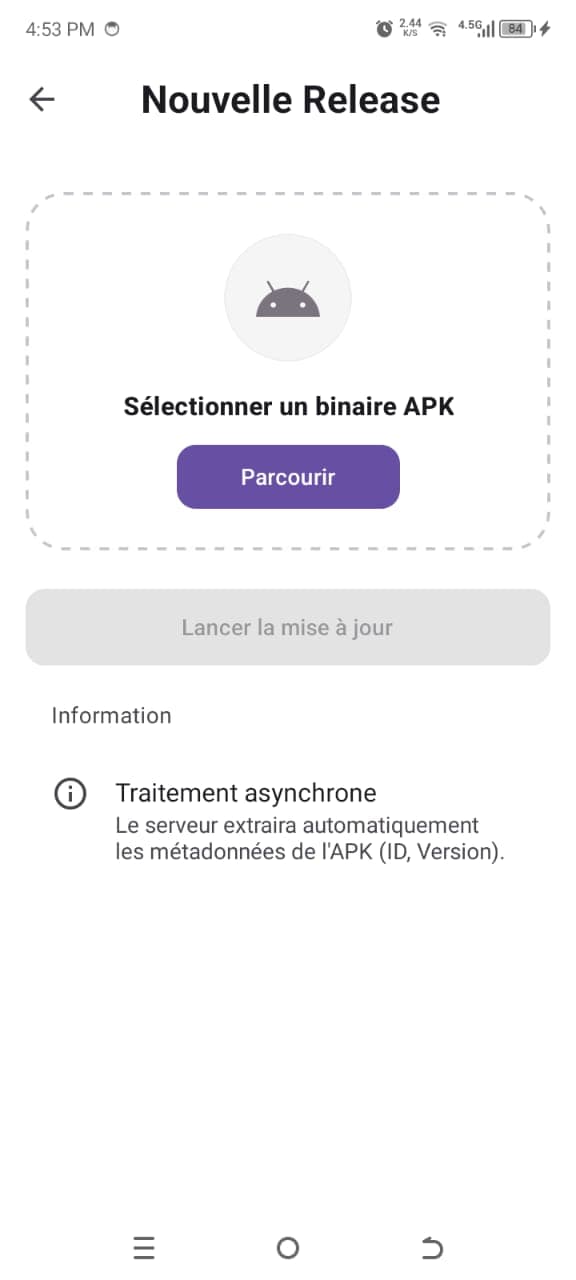
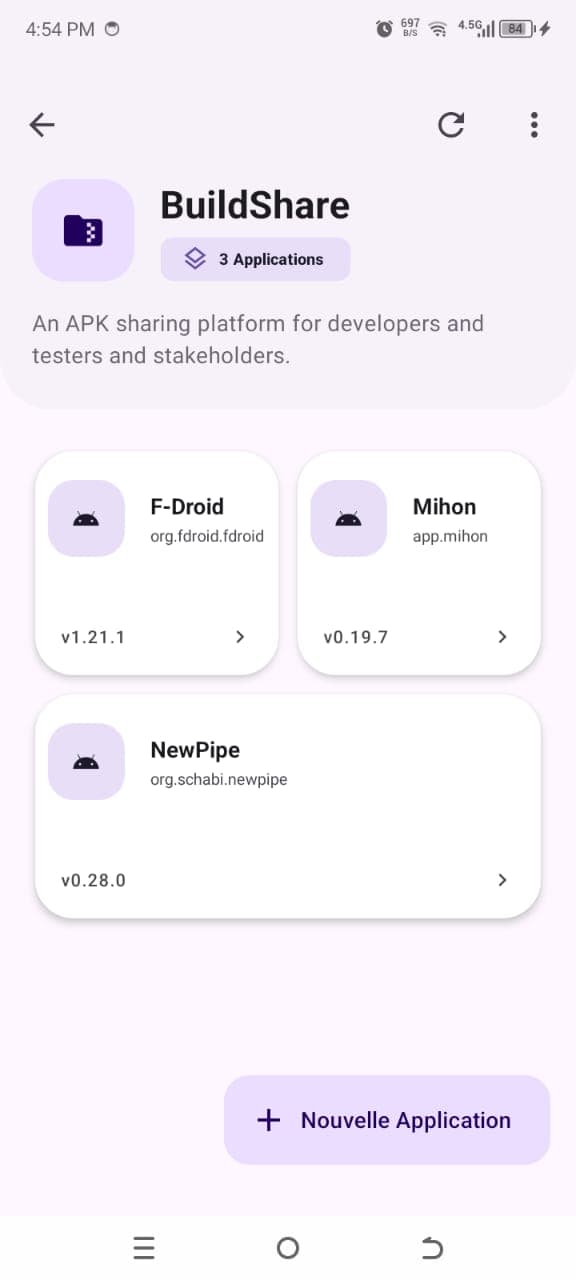
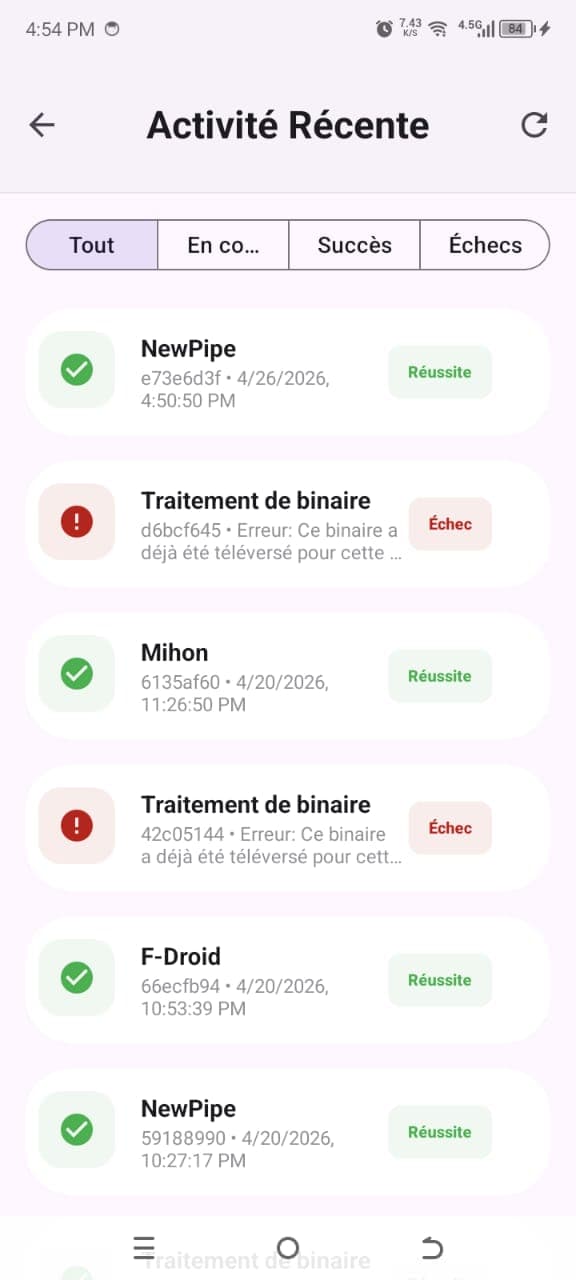
Problem: Passing big APK files through Django inflated request latency and memory pressure.
Solution: Moved to direct object-storage uploads with signed URLs and callback validation.
Tradeoff: More moving parts between mobile client, storage, and API integrity checks.
Problem: APK parsing can fail due to malformed inputs and edge metadata.
Solution: Offloaded parsing to retryable Celery jobs with explicit failure states.
Tradeoff: Eventual consistency required careful UI state messaging.
Problem: Teams needed fast access without losing historical traceability.
Solution: Stored immutable artifact metadata with release lineage and actor context.
Tradeoff: Slightly more storage and stricter schema discipline.
Direct-to-R2
removes server file buffering on hot path
Async workers
keeps request-response cycle lightweight
Hash + metadata checks
prevents invalid artifacts entering release list